
How to use the DiDi Friend Chain automatic chaining function in AnqiCMS (AnqiCMS)

Calendar 👁️ 615

Exchange friendship links is something that every website owner has to go through.Many friends spent a lot of effort on exchanging friendship links, but the exchange efficiency was relatively low, resulting in wasted time.

DiDi Friend Chain platform (https://didi.seowhy.com/The automatic exchange of friend links function has been launched, which can automatically complete the exchange of friendship links, reducing the large amount of work involved in exchanging friendship links.

As a fully functional CMS system, AnqiCMS (Anqi CMS) of course also needs to support the function of automatically exchanging friendship links, and in addition to website security, portability cannot be neglected either.

The following will guide you step by step on how to use the automatic chain function of DiDi Friend Link on your AnqiCMS:

Come to the exchange link page of DiDi Friends Chain, select my website, add a website, and choose the website type as AnqiCMS;
On the right side of my website list, select the operation, and choose automatic chaining from the dropdown menu;
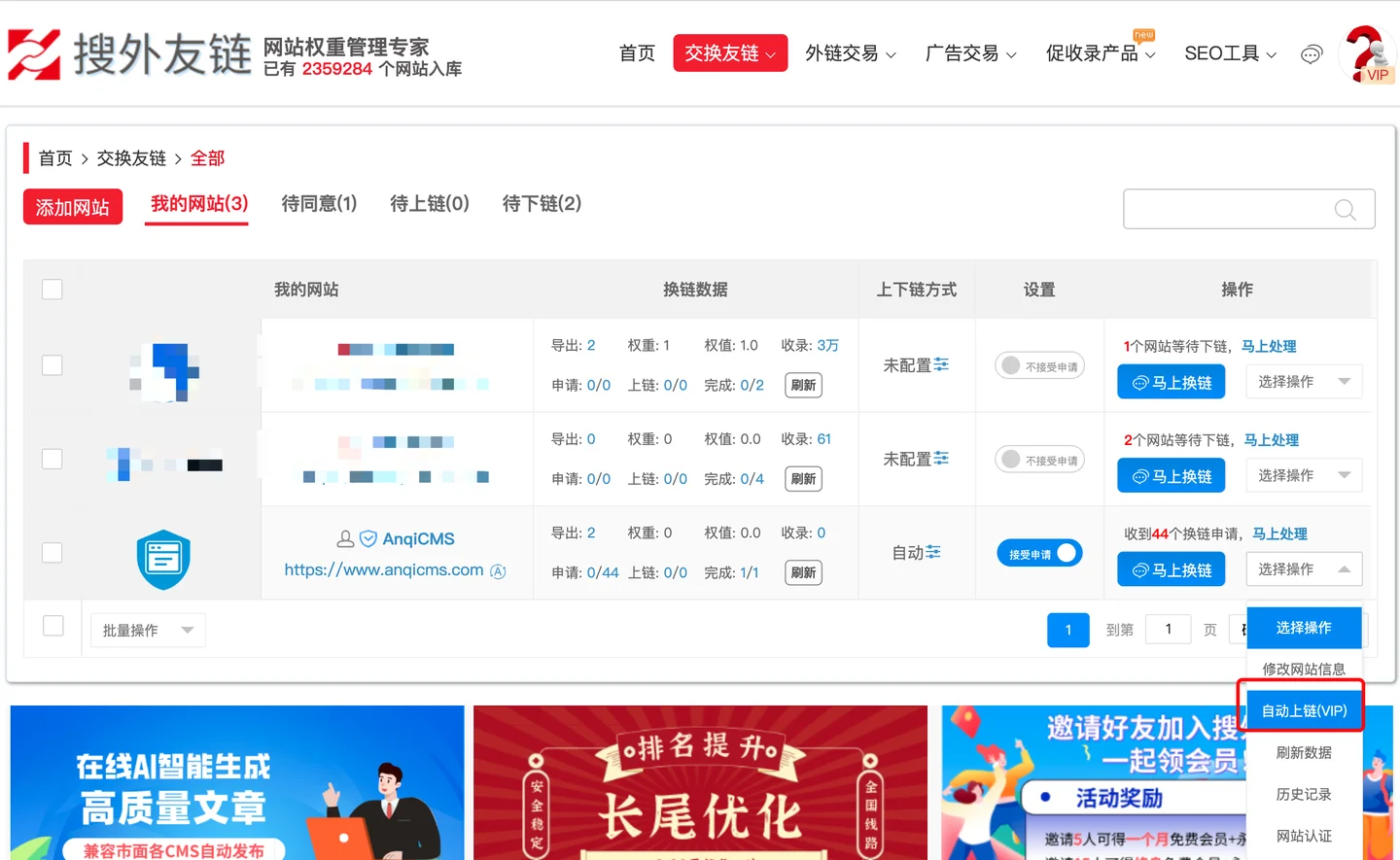
youlian1
In the automatic chain setting of the jumping website, the website system selects AnqiCMS and copies the Token;
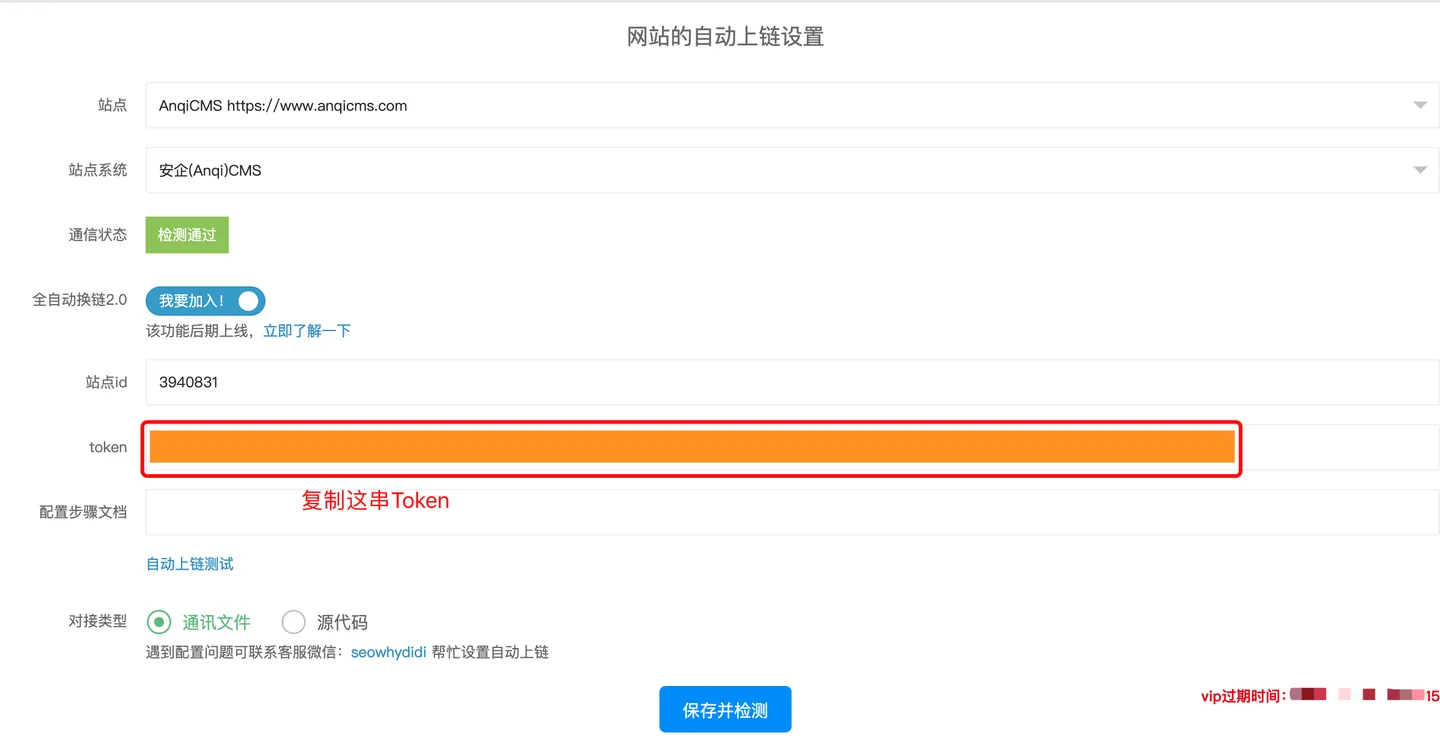
youlian2
Return to the AnqiCMS website management backend, click the function management menu, find the link management, click to enter, and click the Link API at the top right.
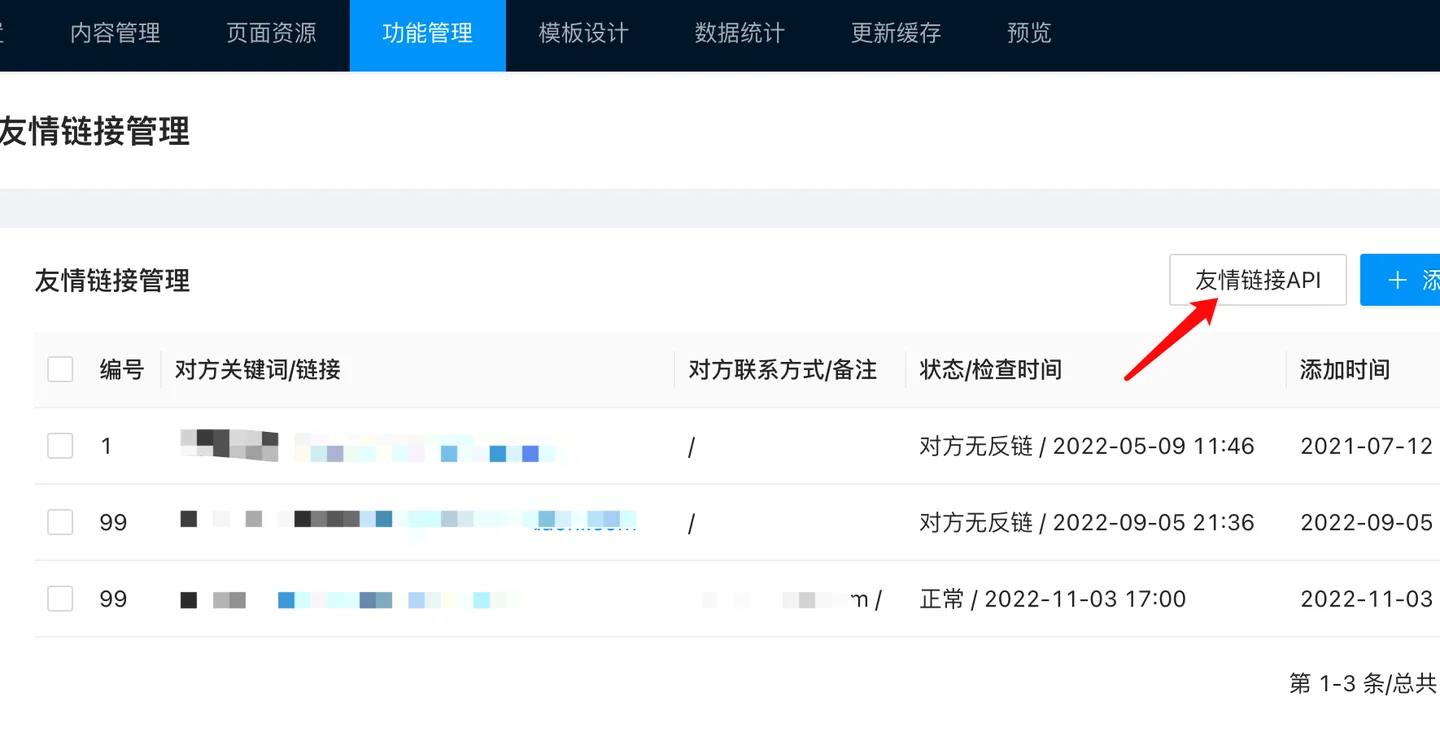
youlian3
In the popup window that opens, click Update Token, enter the Token you just copied into the input box, and click OK to update the Token;
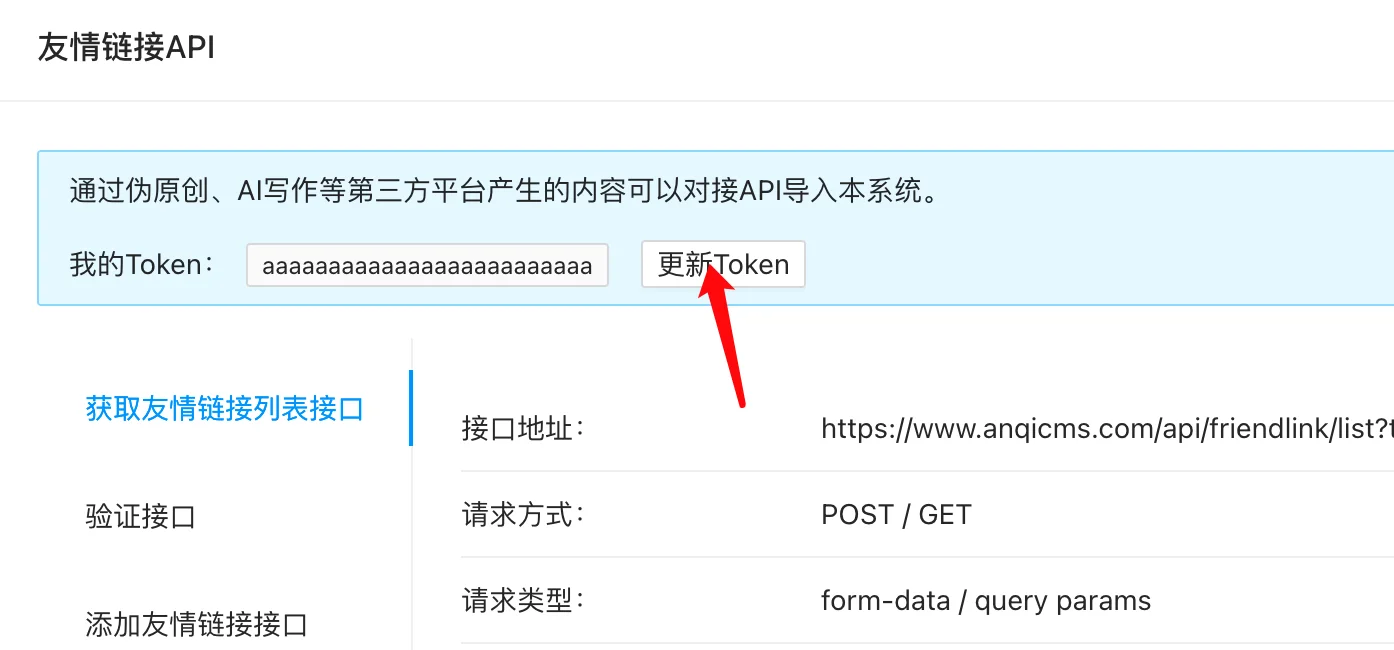
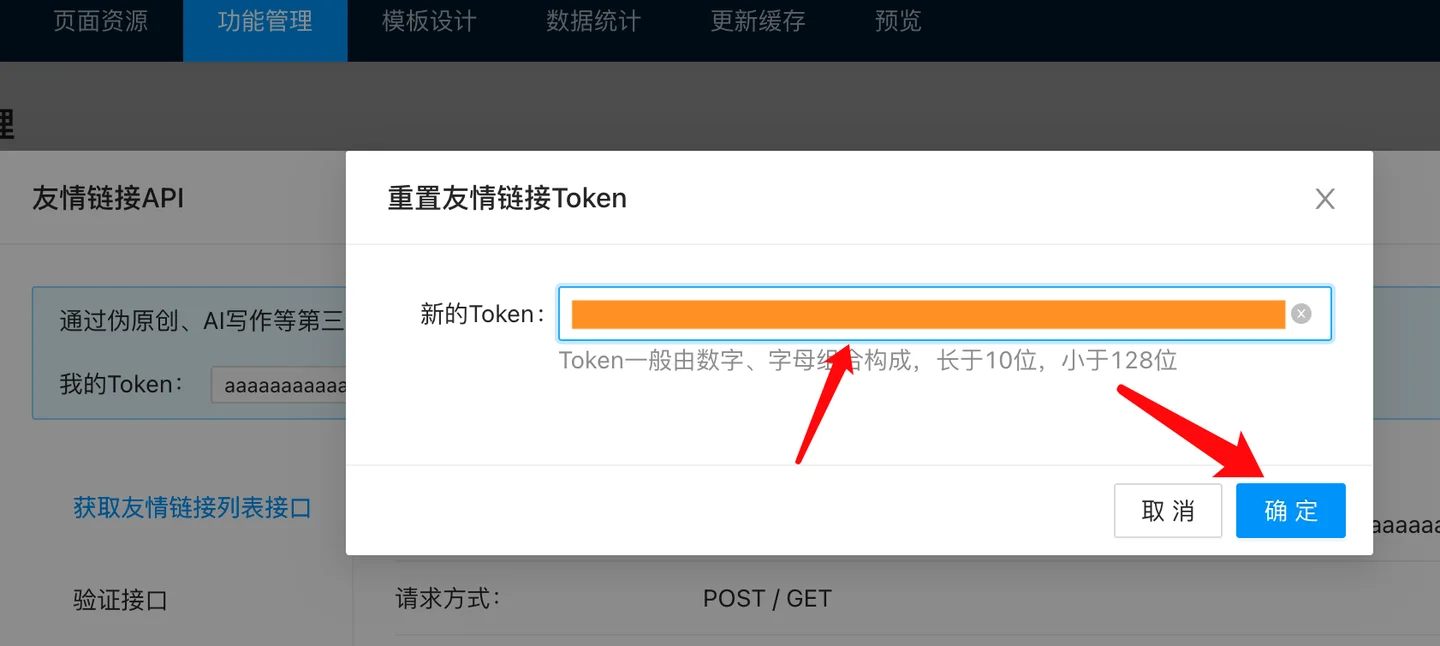
youlian4youlian5
Return to the DiDi Friend Chain platform automatic chain setting page, click save and check, the test is passed.
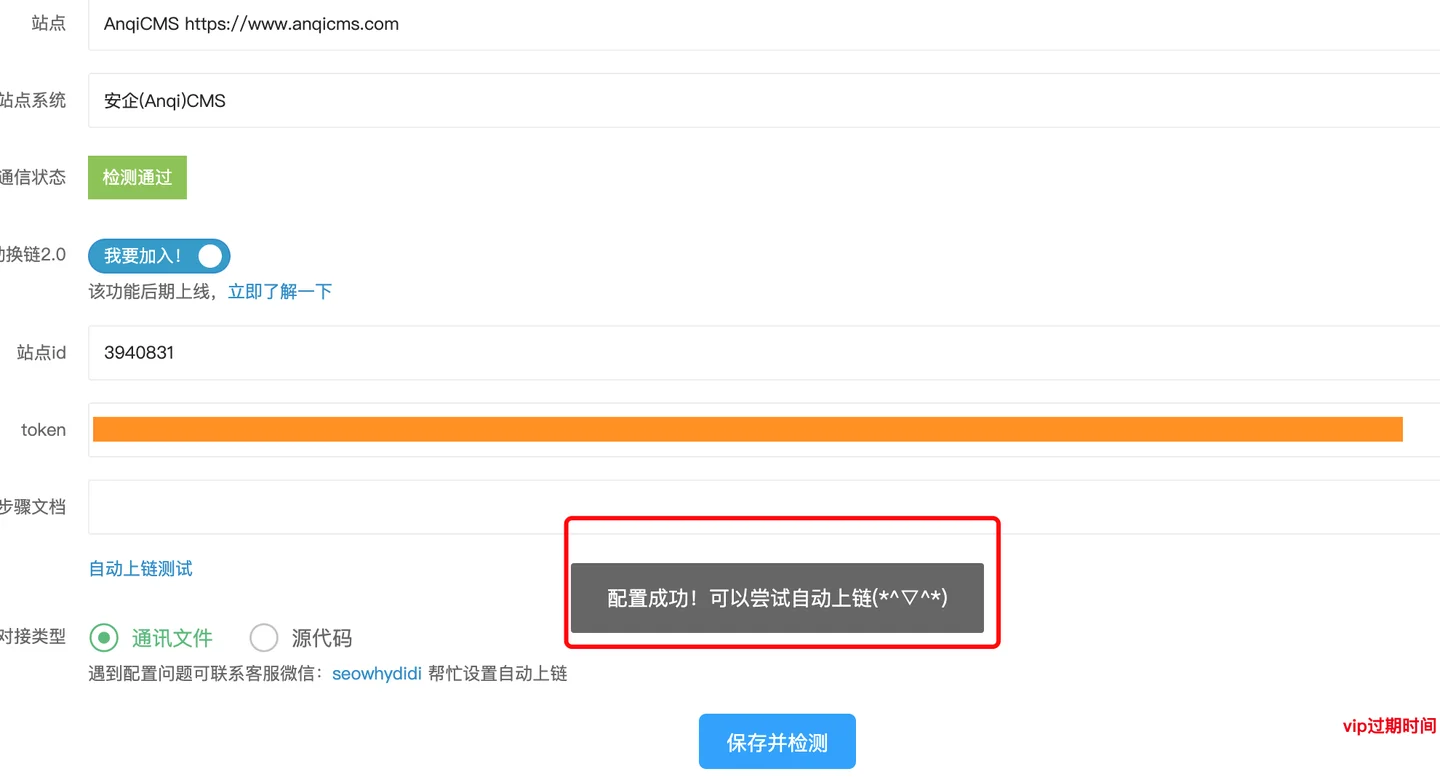
youlian6
The entire auto-link configuration is completed.

May your website traffic be abundant.

Related articles

Link Push Help

The use of the search engine link push function can let you notify major search engines of the documents you publish in a timely manner, so that their spiders can come and crawl the pages in time, achieving the effect of promoting page inclusion.The current system supports the following active push search engines: Baidu Search, Bing Search.The Baidu Search Active Push Interface needs to be used. You need to use the Baidu Search Resource Platform https://ziyuan.baidu.co

2022-06-21

Static Rule Help

The static rules allow you to define the URL composition form of the website according to your actual needs.For the convenience of users, to reduce the trouble of configuration, the system is built-in with 4 ready-made pseudo-static rules, which can be used directly after selection.The default static rules include: in number mode, document details, document lists, single-page details, document tags, all use {id} as the basis for URL generation, usually used more in Chinese websites.Model Naming

2022-06-21

Introduction to AnQi CMS multilingual site feature

Starting from AnQiCMS version 3.4.7, it supports more powerful multilingual site features.AnQiCMS's multilingual feature supports two implementation methods, one is to use an independent multi-site architecture (suitable for large-scale/customization needs), and the other is a single-site translation plugin architecture (suitable for small and medium-sized/rapid iteration).Two ways to implement multilingual functionality, each with its own advantages and disadvantages, please see the following description.

2025-03-29

How to use the multilingual site feature tutorial one: Independent multilingual site architecture

Starting from AnQiCMS version 3.4.8, it supports more powerful multilingual site features.AnQiCMS's multilingual feature supports two implementation methods: one is to use a separate multi-site architecture (suitable for large/customization needs), and the other is a single-site translation plugin architecture (suitable for small/mid-sized/quick iteration).This will guide you through the multi-language feature of AnQiCMS: Method 1: Independent multi-site architecture (suitable for large/customized needs) This method has higher flexibility, but it also requires higher requirements for site operators, more configuration, and coding work

2025-03-29

How to use the multilingual site feature tutorial two: Single site translation plugin architecture

Starting from AnQiCMS version 3.4.8, it supports more powerful multilingual site features.AnQiCMS's multilingual feature supports two implementation methods, one is to use an independent multi-site architecture (suitable for large-scale/customized needs), and the other is a single-site translation plugin architecture (suitable for small and medium-sized/rapid iteration).Below you will be guided through the multi-language feature of AnQiCMS: ▶ Method 2: Single-site Translation Plugin Architecture (suitable for small and medium-sized/Agile iteration) Operation steps Step 1: Enable the multi-language site feature Log in to the AnQiCMS backend management interface.

2025-03-29